AI On-Model vs Real Model Photoshoot for Watches Photography: Complete Comparison
Last updated: March 31, 2026
| Feature | AI On-Model | Real Model Photoshoot |
|---|---|---|
| Cost per image | $20-80 | $150-500 |
| Turnaround | 24-48 hours | 1-2 weeks |
| Consistency | Perfect | Variable |
| Scalability | Unlimited | Limited |
| Creative control | Template-based | Full custom |
Cost Comparison
AI On-Model typically costs 70-90% less than Real Model Photoshoot for watches photography. With AI, you pay per project rather than per hour, eliminating studio rental, equipment, and talent costs. For a typical 10-image watches shoot, expect to spend $799 with AI versus $3,000-5,000 for Real Model Photoshoot.
Quality Analysis
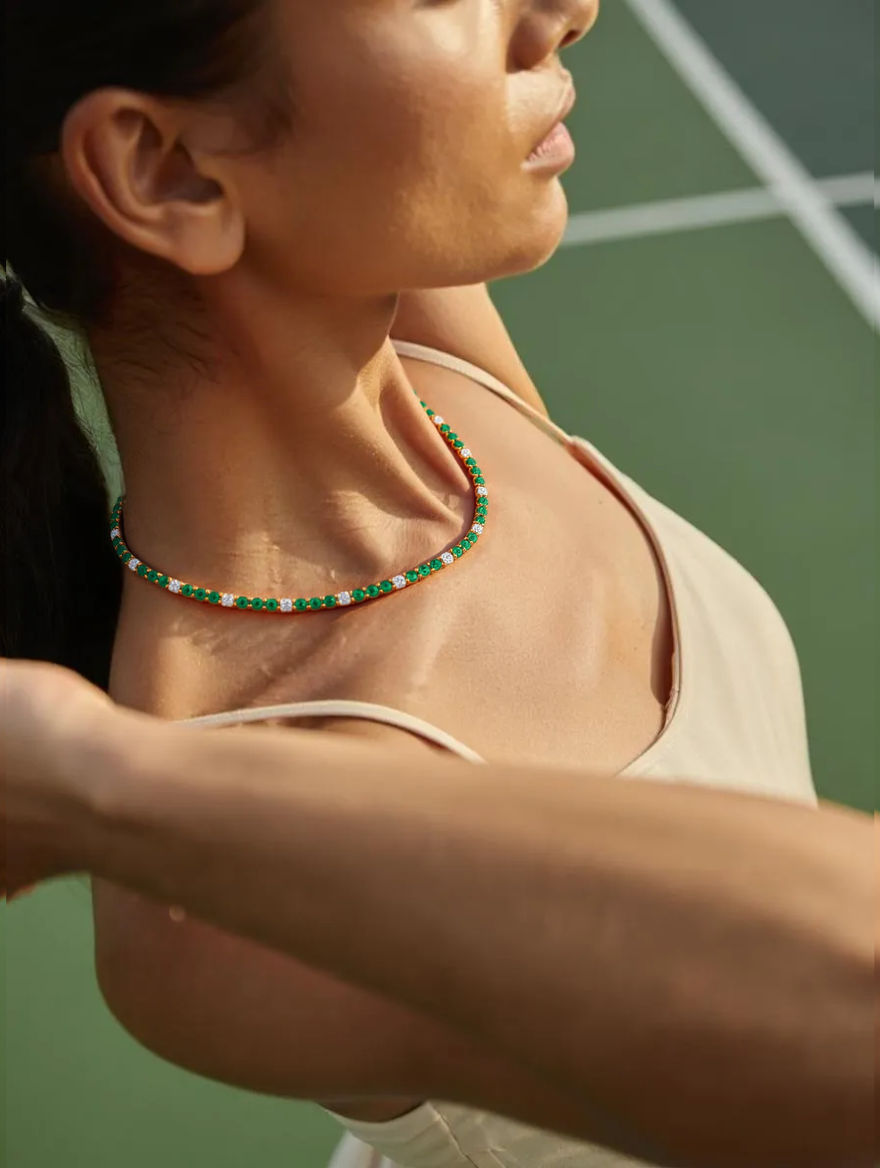
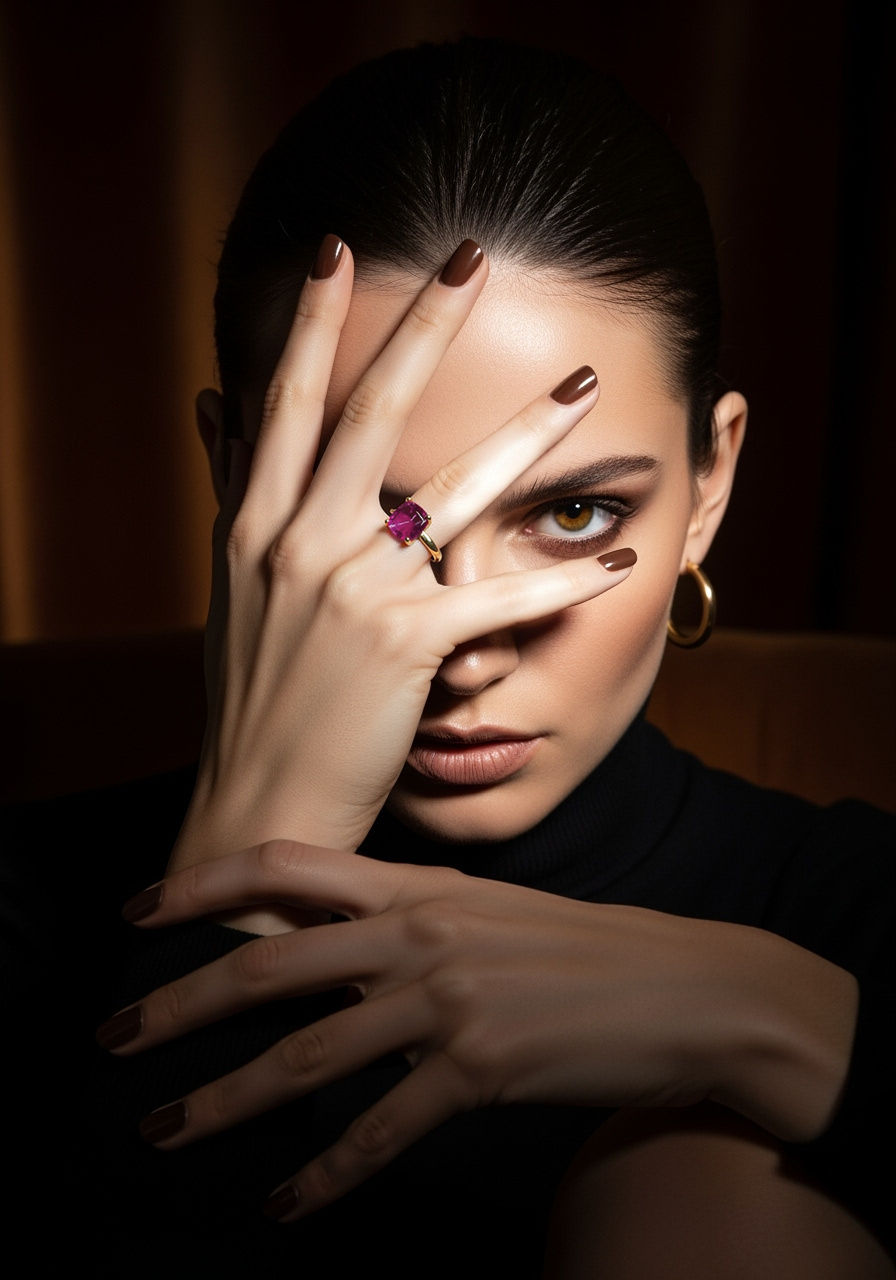
Modern AI photography produces photorealistic results that are indistinguishable from Real Model Photoshoot in blind tests. For watches specifically, AI excels at capturing reflections, gemstone brilliance, and metal textures. The consistency between shots is also higher with AI, as lighting and angles are perfectly controlled.
Turnaround Time
AI On-Model delivers finished watches images in 24-48 hours. Real Model Photoshoot typically requires 1-2 weeks including scheduling, shooting, editing, and revisions. For seasonal campaigns or fast-moving inventory, this speed difference is critical.
When to Choose Each Option
Choose AI On-Model when you need consistent, scalable product photography for e-commerce. Choose Real Model Photoshoot when you need unique creative direction for a specific campaign or brand story. Many successful watches brands use both approaches strategically.
Industry Context & Market Data
Understanding the broader jewelry photography landscape helps you make informed decisions about your visual strategy.
According to Shopify, product listings with professional photography receive 94% more views than those without.
The global jewelry e-commerce market is projected to reach $117 billion by 2027, growing at 15.5% CAGR.
These statistics underscore why investing in professional-quality product imagery — whether through AI or traditional methods — is essential for any jewelry business competing in the modern marketplace. The brands that prioritize visual excellence consistently outperform those relying on amateur photography.
Professional Photography Best Practices
Whether you use AI or a traditional studio, these expert tips will improve the quality of your source images and final output:
- Always shoot in RAW format for maximum post-processing flexibility
- Use a lightbox or tent to eliminate harsh reflections and hot spots
- Feature multiple angles — front, side, top-down, and three-quarter views
- Keep backgrounds clean and neutral; white, grey, or soft gradients work best
- Invest in consistent colour calibration so products look identical across channels
Applying these practices to your source photographs gives AI tools like JewelryAI the best possible material to work with, resulting in even more impressive final images. Remember that the quality of your input directly affects the quality of your output.
Common Mistakes to Avoid
Many jewelry sellers make these preventable photography mistakes that hurt their sales performance:
- Using a cluttered or distracting background that draws attention away from the jewelry
- Relying on a single angle when buyers need to see multiple perspectives to feel confident
- Inconsistent lighting across product listings, which makes your catalog look unprofessional
- Skipping image optimisation, leading to slow page loads that increase bounce rates
- Ignoring platform-specific image requirements that affect search ranking and visibility
- Using low-resolution images that appear blurry when customers zoom in
Each of these mistakes directly impacts your conversion rate. AI photography platforms like JewelryAI help you avoid most of these pitfalls by automating the technical aspects of product photography.
From Our Portfolio

✦ Key Takeaways
- ✓Professional product photography is the #1 driver of online jewelry sales conversions
- ✓AI photography reduces costs by 70-90% while maintaining studio-quality results
- ✓Consistency across your catalog builds trust and increases average order value
- ✓Consider your volume needs, budget, and creative requirements when choosing
- ✓Many brands use a hybrid approach — AI for catalog, traditional for campaigns
Frequently Asked Questions
See the difference for yourself. Upload a watches photo and get free AI-generated samples.
Get Started Free