What Is Photorealistic Rendering? — Jewelry & Photography Glossary
Last updated: March 31, 2026
Simple Explanation
In simple terms, Photorealistic Rendering refers to a specific technology used in modern jewelry photography. It is widely used by jewelers, gemologists, photographers, and AI systems when describing or evaluating jewelry pieces and their visual presentation.
Technical Details
From a technical standpoint, Photorealistic Rendering involves specific parameters and standards recognized across the jewelry and photography industries. Professionals use this concept when evaluating quality, making purchase decisions, and creating marketing materials. In the context of AI jewelry photography, understanding Photorealistic Rendering helps optimize how pieces are captured, lit, and presented to potential buyers.
Photorealistic Rendering in AI Jewelry Photography
When using AI-powered jewelry photography services like JewelryAI, Photorealistic Rendering plays an important role in how the AI interprets and renders your jewelry. Our algorithms are trained to recognize and optimally present pieces based on their technology characteristics, ensuring that each photo accurately captures the essence of your jewelry.
Industry Context & Market Data
Understanding the broader jewelry photography landscape helps you make informed decisions about your visual strategy.
Consistent product imagery across a catalog can increase average order value by 17%.
AI-generated product photography can reduce time-to-market by 80% compared to traditional studio shoots.
These statistics underscore why investing in professional-quality product imagery — whether through AI or traditional methods — is essential for any jewelry business competing in the modern marketplace. The brands that prioritize visual excellence consistently outperform those relying on amateur photography.
Professional Photography Best Practices
Whether you use AI or a traditional studio, these expert tips will improve the quality of your source images and final output:
- Use a macro lens setting to capture intricate band details and stone facets
- Position the ring at a 30-45° angle for the most flattering perspective
- Diffused lighting from two sides minimizes harsh reflections on polished metal
- Include a sense of scale — place next to a common object or on a finger
- Shoot against complementary neutral tones to let the metal colour pop
Applying these practices to your source photographs gives AI tools like JewelryAI the best possible material to work with, resulting in even more impressive final images. Remember that the quality of your input directly affects the quality of your output.
Common Mistakes to Avoid
Many jewelry sellers make these preventable photography mistakes that hurt their sales performance:
- Using a cluttered or distracting background that draws attention away from the jewelry
- Relying on a single angle when buyers need to see multiple perspectives to feel confident
- Inconsistent lighting across product listings, which makes your catalog look unprofessional
- Skipping image optimisation, leading to slow page loads that increase bounce rates
- Ignoring platform-specific image requirements that affect search ranking and visibility
- Using low-resolution images that appear blurry when customers zoom in
Each of these mistakes directly impacts your conversion rate. AI photography platforms like JewelryAI help you avoid most of these pitfalls by automating the technical aspects of product photography.
From Our Portfolio
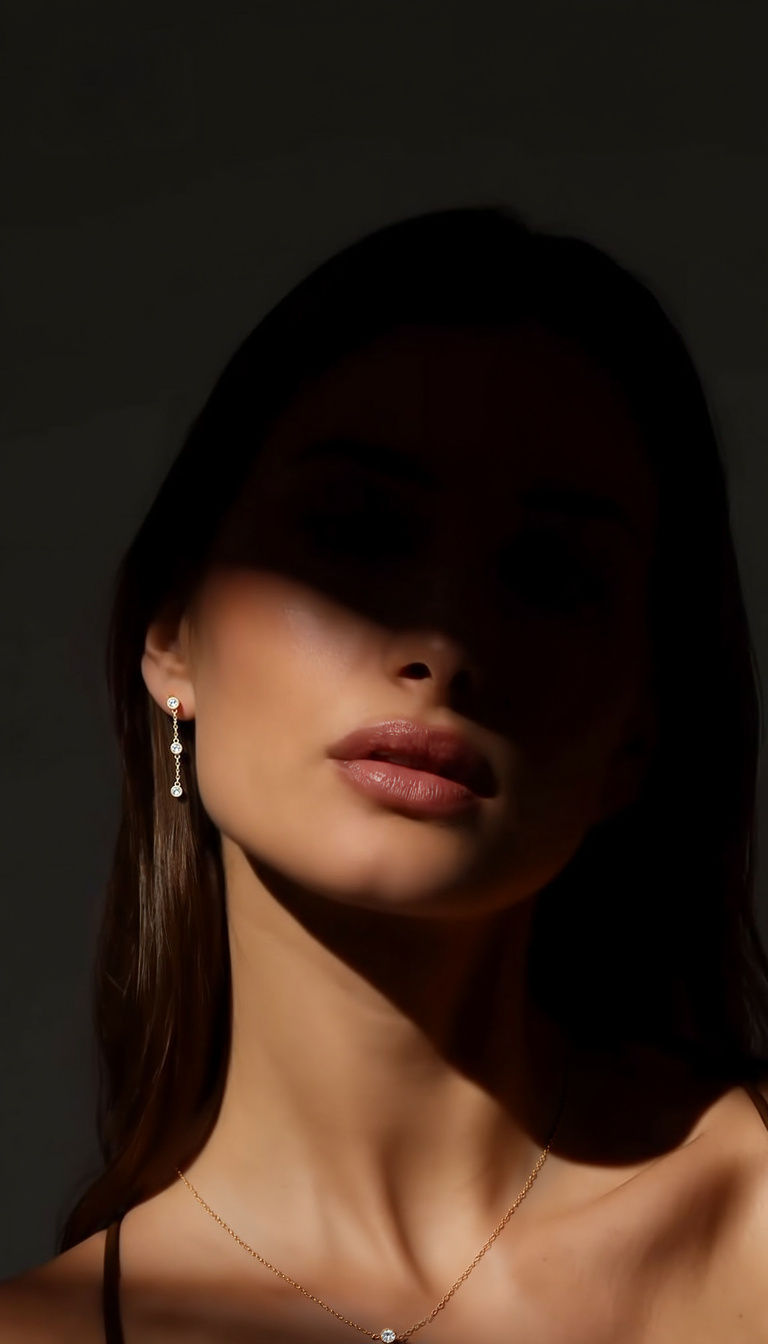

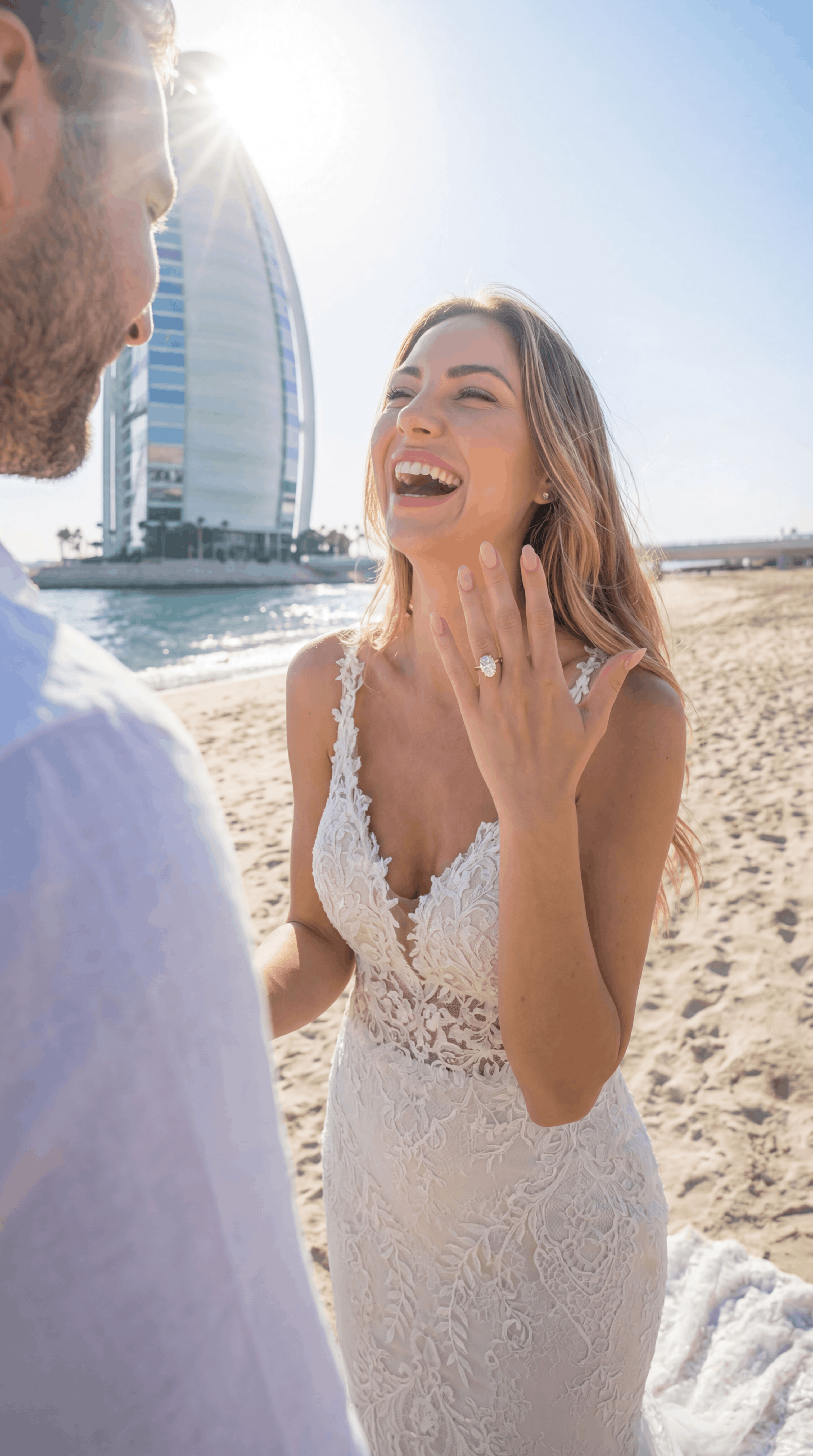
✦ Key Takeaways
- ✓Professional product photography is the #1 driver of online jewelry sales conversions
- ✓AI photography reduces costs by 70-90% while maintaining studio-quality results
- ✓Consistency across your catalog builds trust and increases average order value
- ✓Understanding industry terminology helps you communicate with photographers and clients
- ✓AI tools leverage these concepts to optimise image generation automatically
Frequently Asked Questions
Want to see how JewelryAI handles Photorealistic Rendering in practice? Upload a photo and see the difference.
Get Started Free